Los sistemas de pago con criptomonedas se diseñaron originalmente para ser rápidos y sencillos. Mínima fricción, transacciones rápidas, acceso global: esto es lo que permitió a las empresas escalar rápidamente.
Pero a medida que el mercado maduró, el entorno cambió. Para 2026, el cumplimiento normativo ya no es opcional. Se ha convertido en un requisito fundamental para operar con pagos de criptomonedas. Las regulaciones se están endureciendo, los bancos son cada vez más cautelosos y los socios esperan transparencia.
Aquí es donde surge el problema principal.
La mayoría de los sistemas no se diseñaron pensando en KYC y AML desde el principio. En lugar de una arquitectura unificada, las empresas terminan con herramientas separadas que no funcionan completamente juntas. La verificación de usuarios se realiza en un lugar, el cribado de transacciones en otro y la monitorización en un tercero.
Como resultado:
— los flujos de pago se ralentizan
— el número de comprobaciones aumenta
— la experiencia del usuario se vuelve inconsistente
Y cuanto mayor es el volumen que procesa el sistema, más visible se vuelve este problema. El cumplimiento normativo empieza a limitar el crecimiento en lugar de apoyarlo.
Donde la integración falla
En muchos casos, las empresas siguen el camino más sencillo. Conectan un proveedor de KYC, añaden una API de AML e integran ambos en el flujo de pago existente.
Técnicamente, esto funciona. Operativamente, crea fricción.
Las comprobaciones a menudo se realizan demasiado tarde, una vez que la transacción ya ha comenzado. El cribado AML es reactivo en lugar de en tiempo real. La evaluación de riesgos se basa en reglas estáticas que no reflejan el comportamiento del usuario ni el historial de la cartera.
Con el tiempo, esto lleva a:
— más falsos positivos
— bloqueos de transacciones innecesarios
— menor conversión durante la incorporación
El sistema puede ser conforme en teoría, pero ineficiente en la práctica.
La solución: el cumplimiento normativo como infraestructura
Un enfoque más efectivo comienza con una mentalidad diferente. El cumplimiento normativo no debe ser un añadido. Debe ser parte de la arquitectura central del sistema.
No es un único punto de control, sino un proceso continuo.
Esto significa que las verificaciones y los controles de riesgo ocurren a lo largo de todo el recorrido del usuario:
— al crear la cartera
— durante los depósitos
— antes de los retiros
— cuando se detecta actividad inusual
En lugar de reaccionar al riesgo, el sistema lo anticipa.
Al mismo tiempo, la evaluación de riesgos se vuelve dinámica. Los usuarios de bajo riesgo se mueven por el sistema más rápido y con menos fricción. La actividad de mayor riesgo activa automáticamente una verificación más profunda.
Este equilibrio permite que los sistemas se mantengan seguros y fáciles de usar.
Cómo debería ser la arquitectura
Para respaldar este enfoque, el sistema debe construirse como un ecosistema de API conectado en lugar de una colección de herramientas aisladas.
En una arquitectura bien diseñada:
— la API de KYC gestiona la verificación de identidad
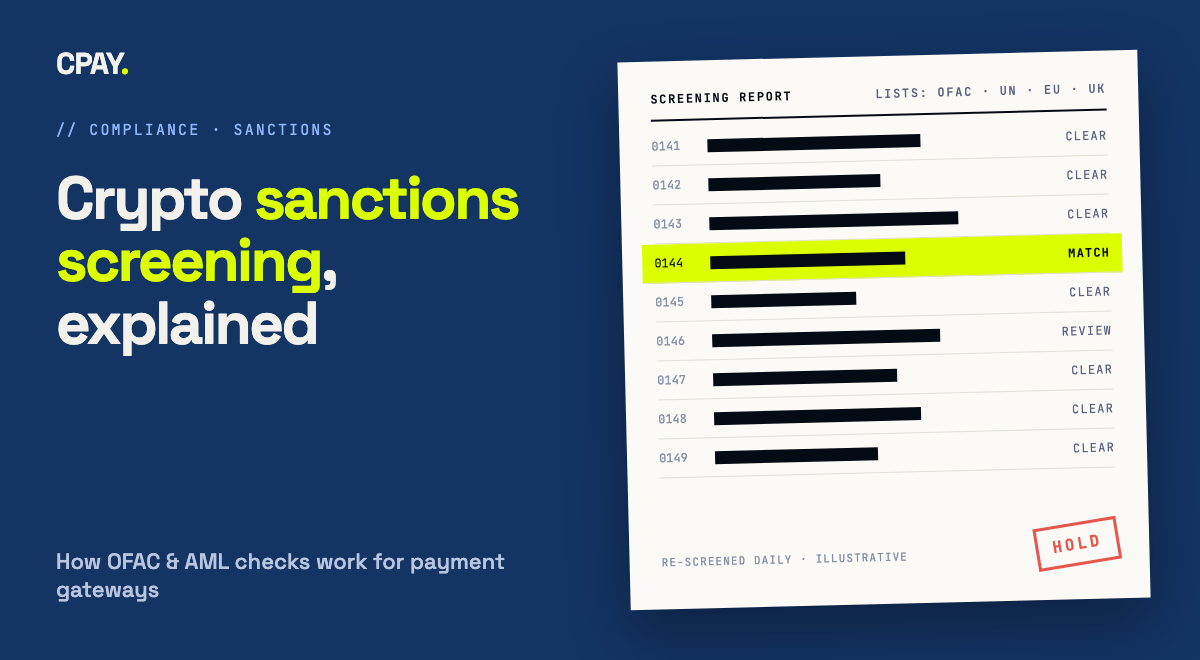
— la API de AML analiza carteras y transacciones
— una capa unificada agrega datos y asigna un perfil de riesgo
La diferencia clave es que estos componentes trabajan juntos, no por separado.
Esto crea flexibilidad. Las empresas pueden cambiar de proveedor, expandirse a nuevas regiones y adaptarse a los cambios regulatorios sin reconstruir todo el sistema.
Esto se vuelve especialmente importante para las soluciones no custodiales. Incluso sin retener los fondos de los usuarios, el cumplimiento normativo debe aplicarse en los puntos de interacción, como depósitos, retiros y límites de transacciones.
Qué cambia para el negocio
Cuando el cumplimiento normativo se integra en la infraestructura, el sistema empieza a comportarse de manera diferente.
La incorporación de usuarios se agiliza porque las verificaciones son más precisas y se realizan en el momento adecuado. Los usuarios experimentan menos interrupciones innecesarias, lo que mejora la conversión y la retención.
Operativamente, la carga disminuye. Se necesitan menos revisiones manuales y el sistema gestiona el riesgo de forma más inteligente.
Esto impacta directamente en el crecimiento.
Las empresas obtienen un acceso más fácil a socios bancarios, redes de pago y mercados regulados. El cumplimiento normativo deja de ser una limitación y se convierte en una base para la escalabilidad.
Conclusión
Los pagos con criptomonedas han superado la fase de experimentación. Hoy en día, requieren sistemas rápidos, fiables y alineados con las expectativas regulatorias.
KYC y AML ya no son herramientas externas. Son parte de la arquitectura que determina si un producto puede escalar.
La pregunta ya no es si necesitas cumplir con la normativa.
La pregunta es cuán profundamente está integrado en tu sistema.
Porque en 2026, los sistemas de pago con criptomonedas más robustos no solo son rápidos.
Están construidos para ser conformes desde cero.